


We know that the average cost of having a baby in the United States is a staggering $18,865 with health insurance, according to Investopedia.
Here’s a quick guide to help you strategize financially before growing your family.
2025 Refresh: Financial Planning Guide for New Parents
If you're thinking of starting a family, preparing your finances is crucial.
Parenthood brings immense joy and responsibility, and having a solid financial plan in place is essential.
Before Baby Comes
Quick List:
✅ Create or update your household budget to account for baby-related expenses.
✅ Build or increase your emergency fund (aim for 3–6 months of expenses).
✅ Review health insurance options and understand maternity/paternity benefits.
✅ Estimate hospital and delivery costs, and plan for out-of-pocket expenses.
✅ Research and plan for childcare costs (daycare, nanny, or family care options).
✅ Review or purchase life insurance for both parents.
✅ Consider disability insurance to protect against income loss.
✅ Start a savings plan for future child-related expenses (education, medical, etc.).
✅ Pay down high-interest debt to free up cash flow before the baby arrives.
✅ Set up a baby registry with essentials to help offset initial costs.

Check Your Money Situation:
Take a close look at your finances.
Make a simple budget to understand how much money comes in (income), how much goes out (expenses), and how much you save each month.
Knowing where your money goes will help you make better financial decisions.
Here’s the average American budget, in case you need a reference point.
Estimate Baby Expenses:
Babies need things like diapers, formula, clothes, and nursery items. Research and estimate these costs to understand how much you'll need.
Consider buying second-hand items or asking friends and family for hand-me-downs to save money.
If you’re making a registry, now is the time to budget for materials yourself, just in case.
Be prepared to review your budget again with these additional expenses.
Save for Emergencies:
Parenthood comes with surprises, like unexpected medical expenses or baby-related costs.
Create an emergency fund by saving some money every month before your bundle of joy arrives.
Aim to have enough to cover three to six months' worth of your living expenses.
This way, you'll be prepared for any unforeseen events. Don’t forget to account for baby expenses in your new living expenses!
Plan for Parental Leave:
Check your workplace policies for parental leave.
This time off is important for bonding with your baby.
Plan how you'll manage your finances during this period, as your income might be reduced.
Head back to the budget review step to ensure you are well prepared for this time period.
Review Insurance:
Make sure you have good health insurance that covers pregnancy, delivery, and your baby's healthcare.
Consider getting life insurance too, which can provide money to your family if something happens to you or your partner. It's a safety net for your loved ones.
Insurance Needs Assessment: Married with Children
Get Professional Financial Help:
If you're feeling overwhelmed or unsure about your financial plan, consider talking to a financial planner.
We can offer expert advice and help you make the best decisions for your family's future.
Let’s set up a meeting to get you on a path towards success.
After Baby Arrives
Quick List:
✅ Update your budget to reflect real baby-related expenses.
✅ Add your child to your health insurance plan within the required timeframe.
✅ Review and update beneficiaries on life insurance and retirement accounts.
✅ Open a 529 plan or other tax-advantaged education savings account.
✅ Replenish your emergency fund if it was used for hospital or baby expenses.
✅ Adjust tax withholding and explore child-related tax credits.
✅ Track childcare costs and explore Dependent Care FSAs or tax deductions.
✅ Update or create an estate plan with a guardian for your child.
✅ Balance saving for your child’s future with continuing to save for retirement.
Update Your Budget:
Theres a new member of your household. Does your budget know that?
Formula, diapers, wipes, etc. are all monthly expenses you need to account for. Add them into your existing budget, or consider doing an entire overhaul since times are changing!
Make a Will and Choose Guardians:
Speaking of safety nets, if you don’t have one already, you should create a will. Creating a will is like making a plan for your family's future.
It's essential to decide who will take care of your child if something happens to you and your partner. Choose someone trustworthy and responsible as their guardian.
This is also the time to review your beneficiaries and include your new child as your recipient of any assets.
Start Saving for College:
Although college may seem far away, starting to save early can make a big difference.
Look into college savings plans, like 529 plans, which offer tax benefits and help your money grow over time.
Small contributions now can add up to a lot later, especially with the increasing cost of college.
Here’s how you can estimate that cost when you start saving.
Replenish Emergency Fund:
It’s okay if you dipped into your savings while dealing with the craziness of bringing new life into the world!
Now though, it’s time to start putting that money back into your emergency fund for the next one.
I know continuing to order DoorDash and InstaCarting groceries is tempting, but at some point we need to reel those in. Push those savings to your emergency fund instead!
Take A Second for Self-Care:
I talked to Melissa Maranzano, Director of Program Planning & Quality Assurance at Innerspace Counseling, to get her mental health tips for new parents, and this is what she shared.
“It’s easy to lose sight of your needs when you're focused on your child, but taking care of yourself is essential for being the best parent you can be. How can you pour from an empty cup? Finding small windows of time for self-care can make a massive difference.
- Break it into bite-sized pieces: Can you take a 10-minute walk outside? Read a page from a favorite book? Sip your coffee (while it’s still warm this time)? Small moments of joy add up.
- Establish routines: Something as simple as washing your face before bed or stretching for two minutes in the morning can ground you.
Remember, self-care doesn’t have to mean spa days or long vacations; it’s about reclaiming little moments to recharge.”
To wrap things up…
It’s a lot.
You aren’t alone.
But you need to be prepared.
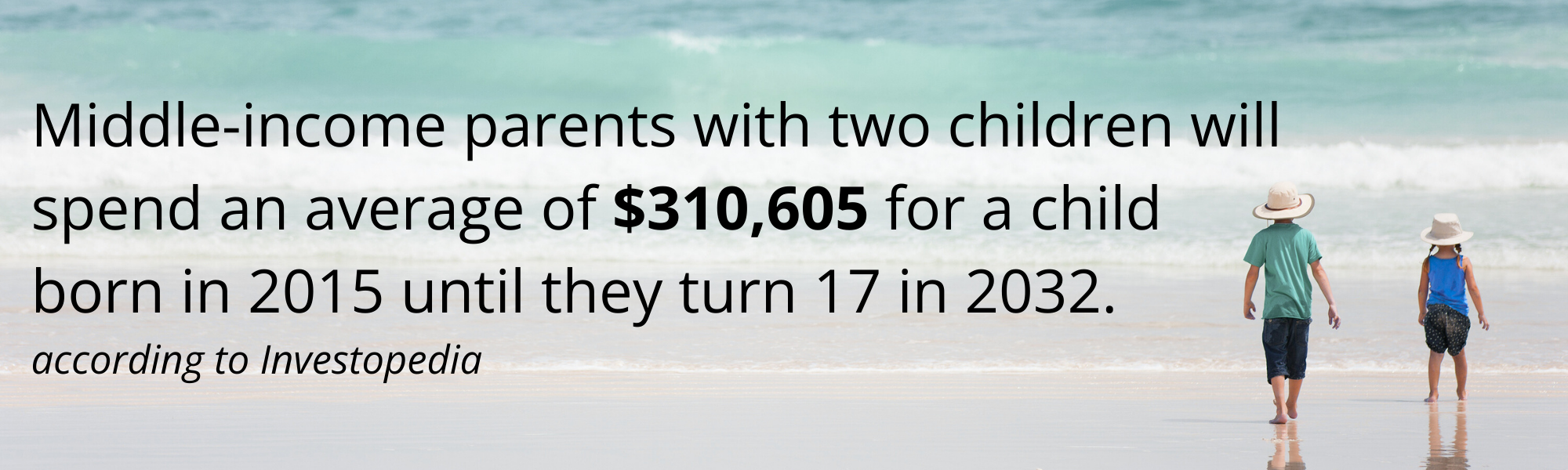
Middle-income parents with two children will spend an average of $310,605 for a child born in 2015 until they turn 17 in 2032, according to Investopedia. Which doesn’t even include college expenses.
Without a plan, are you prepared to spend that much?
Getting ready for parenthood is an exciting journey, and being financially prepared will give you some security moving forward.
By following this simple guide, you'll be better equipped to welcome your newest family member and enjoy the beautiful moments that lie ahead. Don’t forget to take care of yourself, too!
And seriously, don’t be afraid to ask for help. That’s what the professionals are for.
Call the office to set up a meeting today: 732-248-9400 or contact us here.